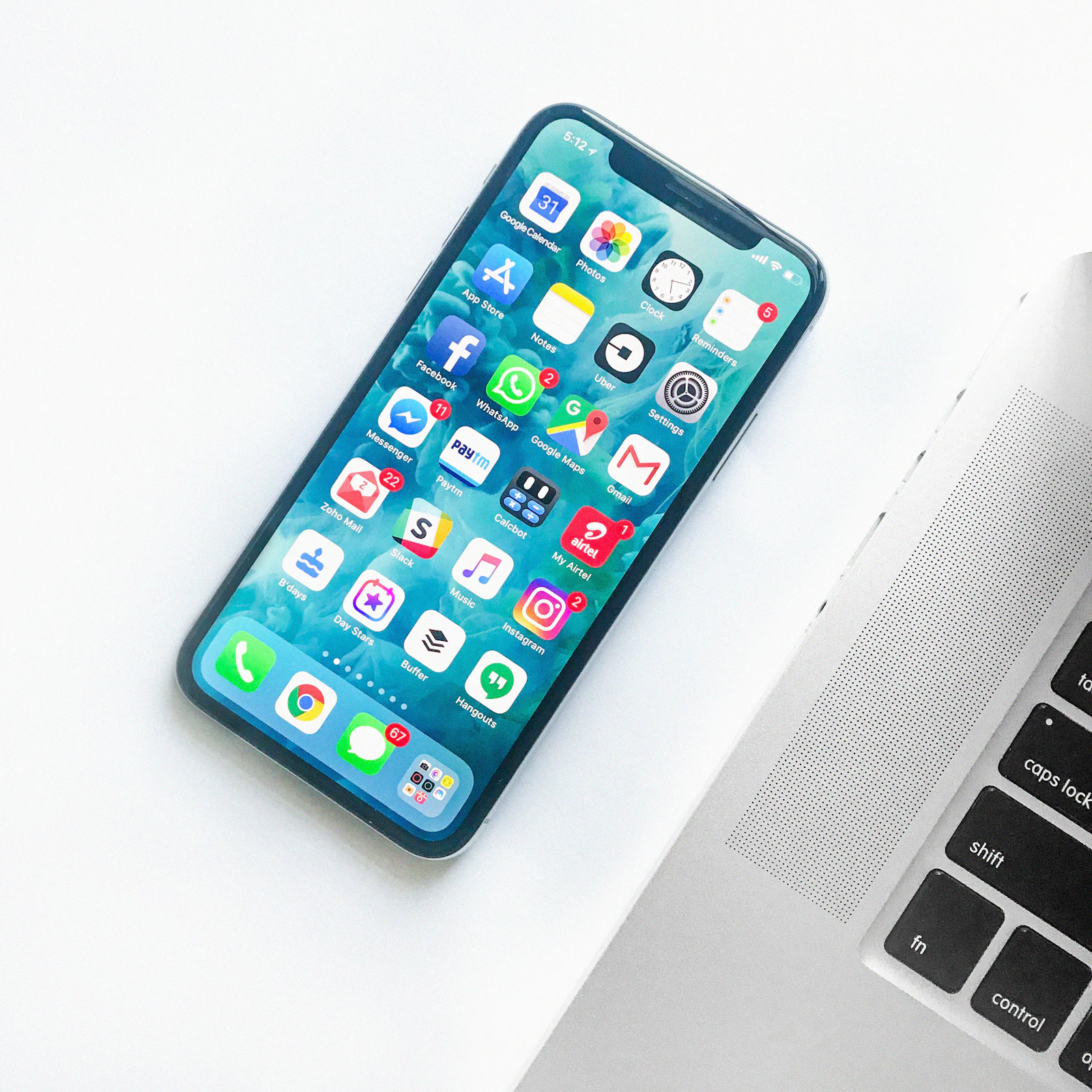
One click checkout. Auto login. Smart home everything. Food at your door in minutes. Convenience is the new baseline. Once you get used to it, anything slower feels broken.
But convenience is not free. The bill does not show up at checkout, it shows up later, in your attention, your privacy, your spending habits, and how dependent you become on services you do not control. Let’s talk about the hidden costs, in plain language.
Convenience is usually a trade. You get speed and ease, and you pay with data, choice, or control.
Most convenience features exist for a reason, they reduce friction. Less friction means you buy more, click more, stay longer, and stop comparing. That is not always evil. It is just the incentive.
The easiest apps are often the loudest apps. Notifications, badges, autoplay, infinite scrolling, and smart recommendations keep you moving. You think you are using the app. The app is also using you.
Auto login, saved cards, location based services, and "personalized" feeds work because the system knows you. That knowledge is built from data: what you click, where you go, what you buy, and what you linger on.
The more one service does for you, the harder it becomes to leave. Your photos, notes, purchases, playlists, contacts, and habits get locked into one ecosystem. Even if the price increases or quality drops, switching feels painful.
Convenience removes small frictions that taught us how to cope. Navigation apps are amazing, but they can erode your sense of direction. Autofill is great, but it can weaken memory for logins. Delivery is convenient, but it can reduce basic planning skills.
This is not about going backwards. It is about noticing what you outsource, and whether you still want to own it.
Subscriptions, service fees, tips, convenience charges, microtransactions, and "premium" tiers add up. The cost is small enough to ignore per transaction, but big enough to matter over a year.
Convenience is not bad. It is powerful. The trick is to use it on purpose. If you do not choose what you trade away, the default settings will choose for you.


Use convenience like a tool. Keep what helps you, and set boundaries where it starts to control you.
Pick one convenience you rely on daily and see what it costs you over a week.